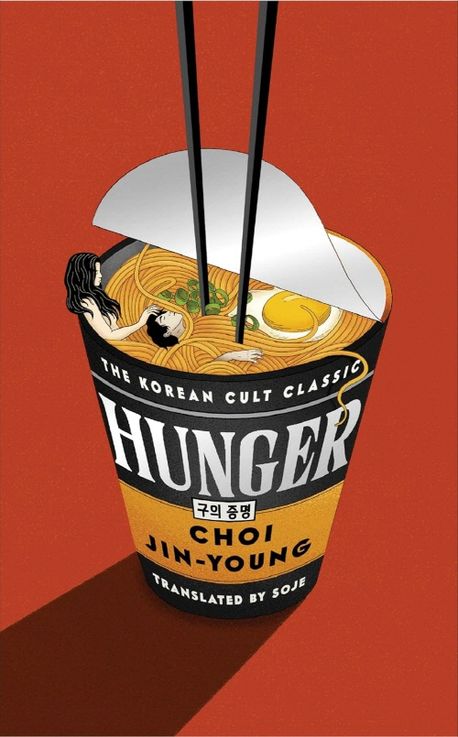
Choi Jin-young | Fiction | Read: August–September 2023
Note: The quotes in this review are my own English translations from the original Korean text.
How I Found The Hunger
The Hunger book review — where do I even begin with this one?
It started with a YouTube video. Someone had set a passage from a Korean novel to music — candlelit footage, slow and quiet. The title of the video was: “If you die, I will eat you.”
I had just gone through a breakup. A long one. The kind where someone doesn’t die — they just stop being part of your life, and somehow that absence feels like its own kind of disappearance. I clicked.
I assumed it was a revenge story. That line sounded like fury.
It wasn’t.
What It’s About
The Hunger (Korean title: 구의 증명, literally Proof of Gu) follows two lovers — Gu and Dam — living at the margins of Korean society: poor, exhausted, in love in the way that only people with nothing else left can be. When Gu dies, Dam makes a choice that is at once grotesque and devastatingly tender: she consumes him. So that he lives inside her. So that she doesn’t have to let go.
A note on the titles: in Korean, the word 구 (Gu) can mean a geometric sphere — but here, it’s simply a person’s name. 구의 증명 translates roughly as Proof of Gu: proof that this person existed, and that the love felt for him was real. The English title Hunger takes a different angle — the ache that doesn’t go away, the need that outlasts the person who filled it. Two titles, same wound.
What I Expected vs. What I Got
I expected obsession. Maybe violence. Something operatic.
What I got was quieter and more devastating. Two people ground down by a country that had no use for them. Love that existed not in grand gestures but in a shared basin of warm water on cold nights, in silences that never needed filling.
And then: loss. And what happens to a person when the one who knew them best is simply gone.
A Passage That Stayed With Me
Dam doesn’t grieve loudly. She grieves in the way she loved — without explanation.
“Everything that needed to be said had been said during those long years together. And if there was anything left unsaid, I thought it didn’t need to be said. The moment something becomes words, it moves further from its essence. Words are the farthest thing from sincerity. I believed you knew all of this about me.”
And then, quietly, she asks the question that unravels everything:
“I needed a reason. But if love needs a reason — is it even love?”
“There was no room for ‘why’ between us.”
That last line is the one that stays. Not the loss itself, but the before — when love was so complete it had no language. Only after it ends do we reach for words. And by then, it’s already too late.
The Sawney Bean Connection
One of the novel’s stranger threads references the legend of Sawney Bean — a supposed 16th-century Scottish cannibal clan said to have killed and eaten over a thousand travelers. The character tells this story almost as folklore, a dark mirror to the novel’s central act.
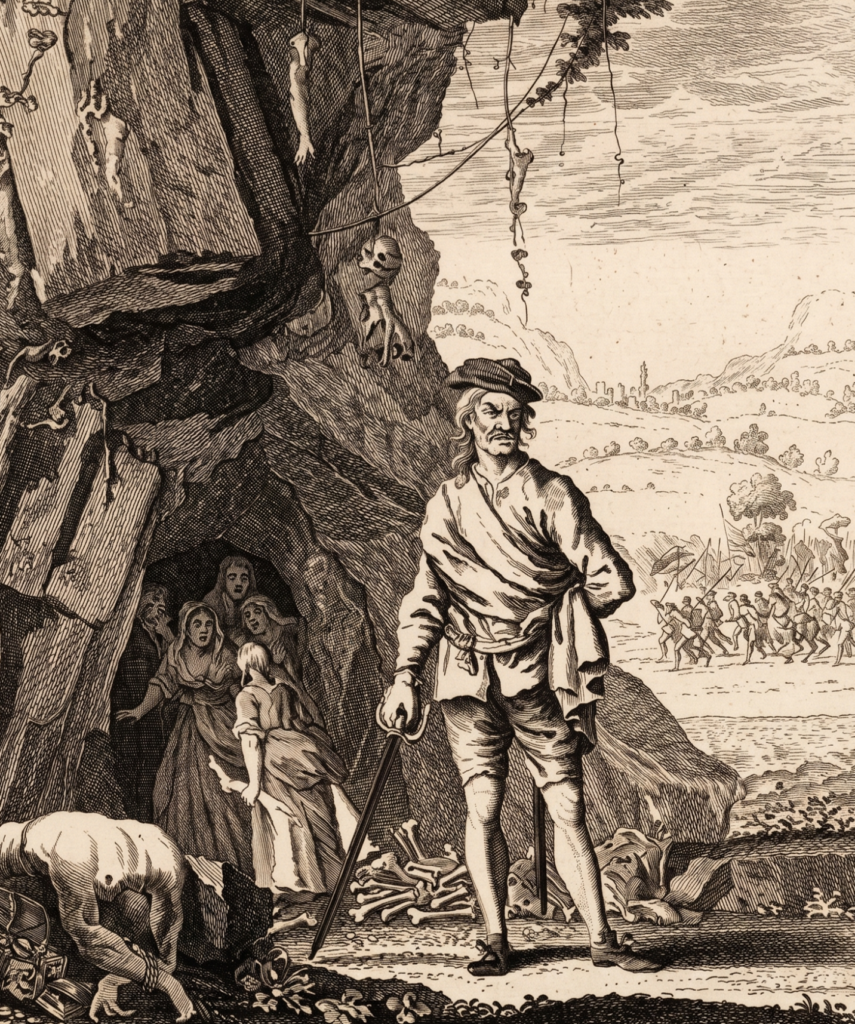
What makes it interesting: Sawney Bean is almost certainly a myth, likely fabricated in 18th-century English pamphlets to portray Scots as savage. A political weapon dressed as a ghost story. The Hunger borrows this legend not to shock, but to ask something quieter: what does it actually mean to consume someone you love? Is it monstrous — or is it the most human thing there is?
Final Thought
This is not a comfortable book. It’s short — barely 150 pages — but it sits with you. It’s about love, yes, but more than that it’s about what poverty does to people, what grief does to the body, and what we’re willing to do to keep someone alive inside us.
I picked it up thinking it was about death. It turned out to be about survival.
If you’ve ever lost someone who didn’t die — this one will find you.
You can find more reviews on my Books page.
Leave a Reply